Azure Resource Health is Azure Monitor feature to track the overall health of different Azure services. It is particularly handy for PaaS and SaaS type of services as those usually get at most metrics and diagnostic logs that you can use to monitor them. The feature is on by default and it is supported by many resource types. For each resource type there are certain checks that are made on intervals and if any of those checks fails resource health will mark the resource as unavailable. These changes in the resource health are logged as Azure Activity log events. In order to monitor for these changes you can use Resource Health alerts which underneath are alerts monitoring for activity log events scoped to Resource Health category events. Recently Azure Monitor introduced support for resource health on Log Alerts. Log alerts use Kusto query language to monitor based on data from Log Analytics workspace. Due to the rich Kusto query language capabilities there is the possibility of providing incorrect query and saving the alert rule without knowing that it will stop working. This is where Resource Health for Log alerts comes in as it will signal you that there is something wrong with your alert rule. There are of course other checks made related to permissions and networking that will also be signal by Resource Health for your Log Alerts. So enabling Resource Health alerts to notify you on problems with your Log Alerts is something you should do in your environment. The purpose of the blog post is to show you how resource health works and hopefully to enable resource health alerts for your Log Alerts. Overall I would strongly advise you to enable it for all supported resources as it does not introduce additional cost.
Tag: Cloud
The Resource Type behind Azure Update Manager Dynamic Scope
When helping folks at Microsoft Q&A I saw a question regarding creating Dynamic scope with Bicep or Terraform. That led to creating this blog post where we will see what is the resource type behind Azure Update Manager Dynamic scope and how it can be created with Bicep. Of course the same thing applies to Terraform and AzAPI provider.
Quick Look – #MSOMS Office 365 (Preview) Solution
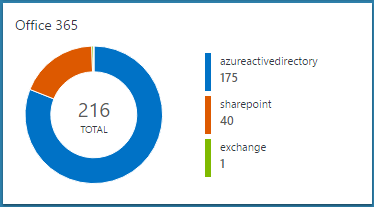
Yesterday MSOMS team released in preview Office 365 solution:
Continue reading “Quick Look – #MSOMS Office 365 (Preview) Solution”
Azure RemoteApp: Error: DNS server could not be reached
As I’ve mentioned before I am in process on extending my scope. Part of that scope is Azure RemoteApp. So I’ve been exploring Hybrid Deployment and my setup is basically the same described here. So I had this deployment for than a month but recently when I tried to update my deployment with new image I was receiving similar error: Continue reading “Azure RemoteApp: Error: DNS server could not be reached”
Error Code:10002 When You Configure Cloud for Protection in Azure Site Recovery
Recently I’ve been dealing with wide range of technologies – Windows Server and System Center stuff, PowerShell/SMA Workflows, DevOps, Azure IaaS and Azure RemoteApp and Azure Site Recovery. This is part of my plan on expending my knowledge. Continue reading “Error Code:10002 When You Configure Cloud for Protection in Azure Site Recovery”